Aug 9, 2026
NFTs: The Digital Revolution in Art, Ownership, and Beyond
How NFTs are reshaping art and ownership.
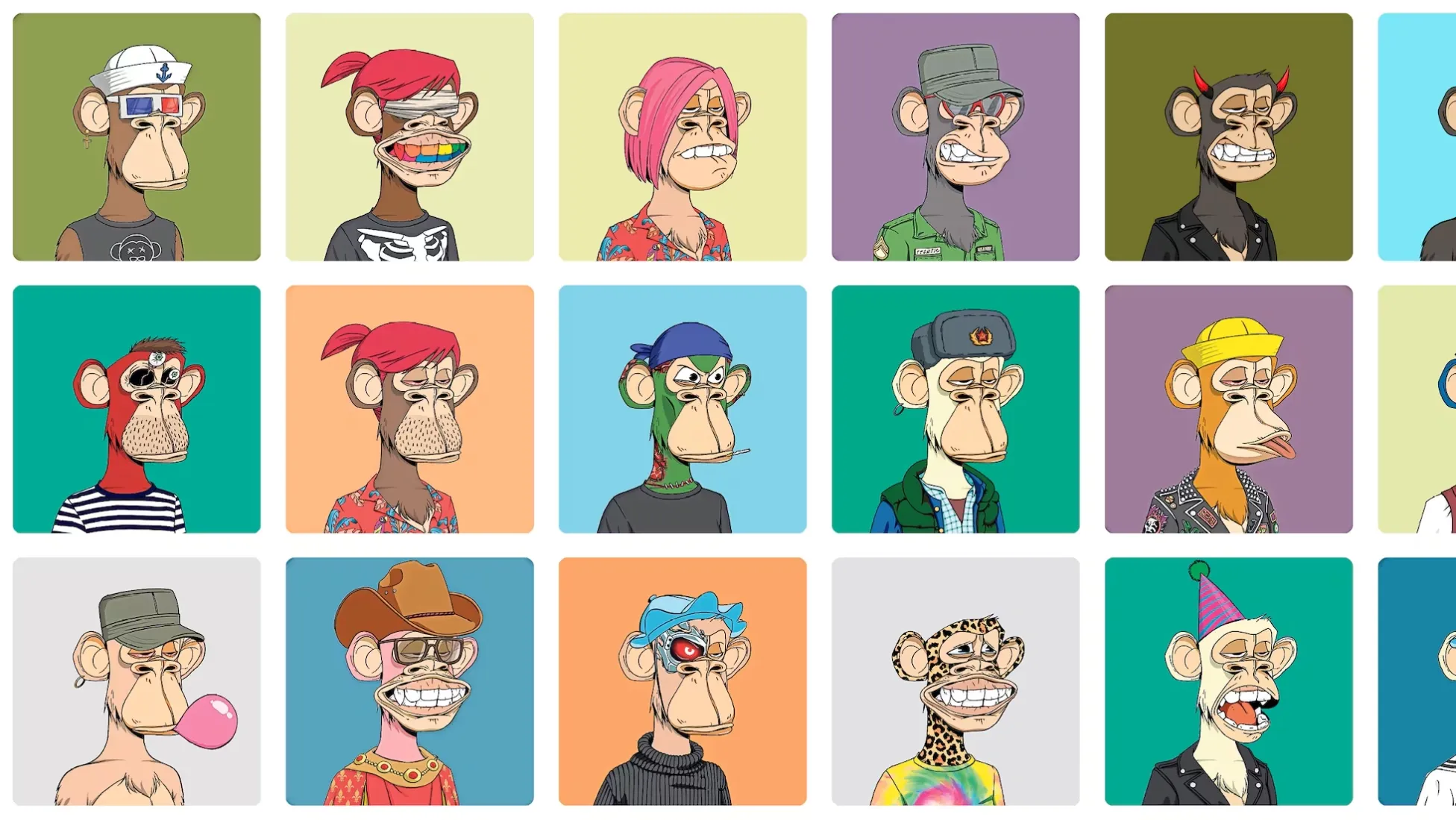
Non-Fungible Tokens (NFTs) have emerged as one of the most transformative and controversial innovations in the digital economy. Since their mainstream breakthrough in 2021, NFTs have sparked intense debates about digital ownership, artistic value, and the future of creative industries.
Understanding NFT Technology
An NFT is a unique digital certificate stored on a blockchain that proves ownership of a specific digital asset. Unlike cryptocurrencies such as Bitcoin, which are interchangeable, NFTs are non-fungible – each token is unique and cannot be replicated. The technology relies primarily on blockchain networks like Ethereum, which maintain immutable records of ownership and transaction history.
When someone purchases an NFT, they acquire a token pointing to a digital file. Importantly, the NFT doesn't grant copyright ownership but rather ownership of that specific token. Smart contracts govern transactions and can include royalty provisions, ensuring creators receive compensation from future sales.
Revolutionizing the Art World
NFTs gained widespread attention through digital art sales, notably Beeple's “Everydays: The First 5000 Days” selling for 69.3 million dollars at Christie's in March 2021. This legitimized NFTs in traditional art circles and demonstrated unprecedented monetization potential for digital artists.
For digital creators, NFTs solved the scarcity problem in the digital realm. Previously, digital artworks could be copied infinitely, making it difficult to establish value or ownership. NFTs created artificial scarcity by providing verifiable proof of ownership for specific versions of digital works.
The technology democratized art sales, allowing artists to sell directly to collectors without traditional gatekeepers like galleries. Programmable royalties ensure ongoing income from creations, particularly benefiting emerging artists and underrepresented communities.
Expanding Beyond Art
NFTs have found applications across various industries. In gaming, NFTs represent unique in-game items that players can own and trade across platforms. The music industry uses NFTs for exclusive content and direct fan engagement. Sports organizations created NFT collectibles, with NBA Top Shot leading by selling video highlights as tradeable moments. Virtual real estate in metaverse platforms represents another significant application.
Addressing Concerns
NFTs faced criticism regarding environmental impact due to energy-intensive blockchain networks. However, Ethereum's transition to proof-of-stake in 2022 reduced energy consumption by approximately 99.95%, addressing environmental concerns.
Economic criticisms focus on speculation and market volatility. Many projects lost value after initial hype, with critics arguing that speculation rather than genuine utility drove purchases, creating unsustainable market conditions.
The legal landscape remains complex, with ongoing questions about intellectual property rights and actual ownership rights conveyed by NFT purchases.
Future Prospects
Despite controversies, NFTs continue evolving beyond speculative trading. Integration with AI, VR, and AR technologies promises new interactive experiences. Educational institutions explore NFTs for credential verification, while brands use them for loyalty programs and exclusive access.
Conclusion
NFTs represent a significant technological innovation that has transformed digital ownership concepts. While initial speculation has subsided, the technology continues finding practical applications across industries. The future lies in utility-focused applications that solve real problems rather than speculative trading. Projects providing genuine value are most likely to ensure NFTs fulfill their potential as transformative tools for the digital age.